Exploring the Celestial Symphony of Stars
Welcome to the Starry Orchestra
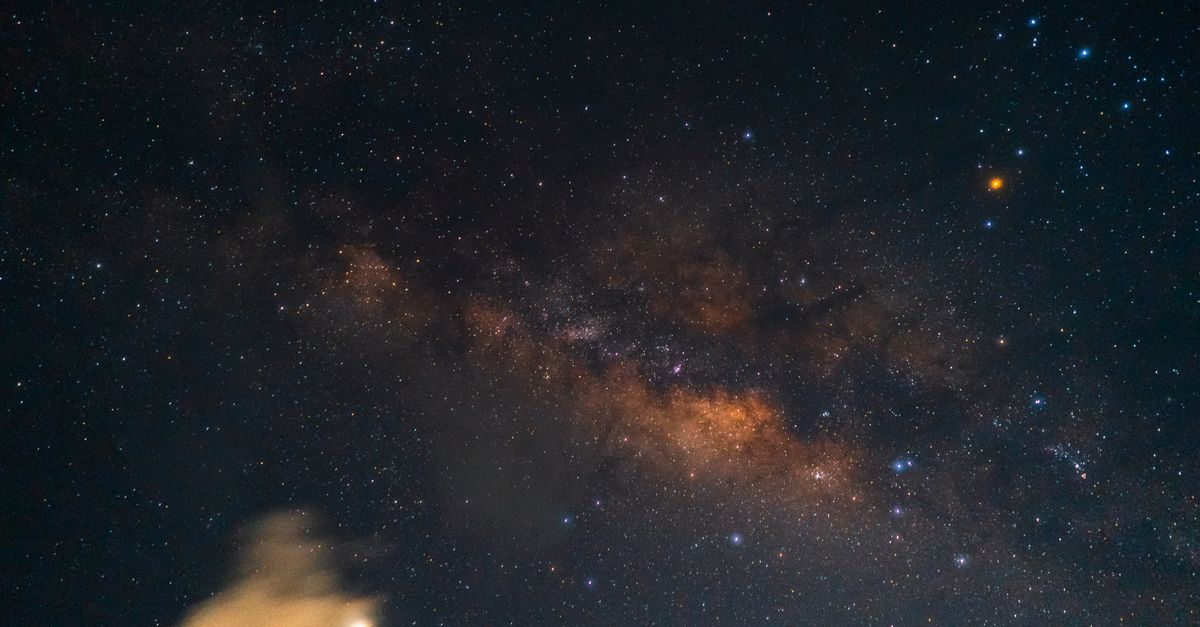
The celestial symphony of stars plays a mesmerizing tune as it unfolds in the vast universe. A cosmic dance of light and elements creates a stunning spectacle that has intrigued people for centuries. From the dazzling supernova to the gentle twinkling of distant stars, there's a cosmic melody inviting discovery.
Advertisement
The Birth of a Star
Stars are born in dense regions of gas and dust called nebulae. As gravity pulls the materials together, they heat up, eventually initiating nuclear fusion. This fusion is the maestro of the celestial symphony, as hydrogen atoms turn into helium, releasing energy and light that illuminates our night sky.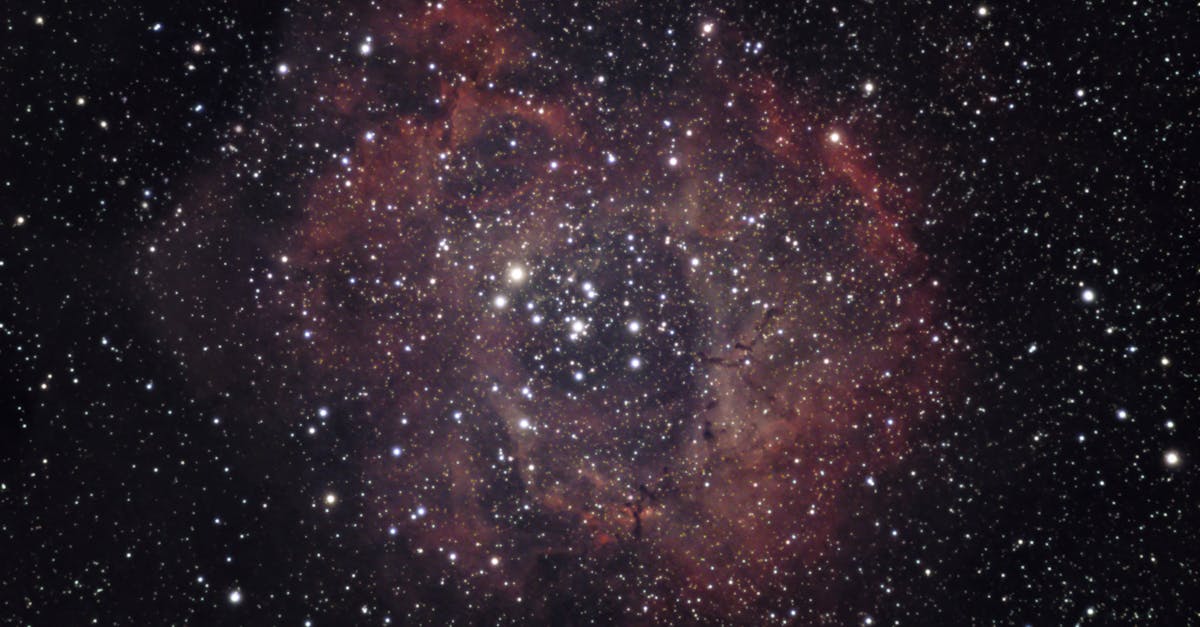
Advertisement
The Cosmic Dance of Constellations
Constellations, the celestial characters in our starry symphony, guide our understanding of the night sky. From Orion's bold belt to the delicate form of Pisces, these starry groupings are significant in both navigation and storytelling. Observers have long embraced constellations for their mythologies and scientific bearings.
Advertisement
The Science of Stellar Harmony
Beyond their beauty, stars are pivotal in shaping galaxies. Their lifecycle impacts cosmic evolution — from forming planets to creating elements vital for life. Stars sing through their spectral emissions, offering clues to their composition, temperature, and age. Astrophysicists unravel these secrets, decoding the scores of this grand cosmic symphony.
Advertisement
When Stars Go Supernova
Supernovae are the grand finale in a star's life cycle, a powerful cosmic explosion illuminating the universe. This death of a star, albeit spectacular, is an alchemical process enriching the interstellar medium with heavy elements. The remnants scatter far and wide, setting the stage for new stars to join the celestial symphony.
Advertisement
The Symphony's Silver Lining
Black holes, the enigmatic maestros, play their part in the cosmic orchestra. Formed when massive stars implode, black holes are the ultimate conductors of gravity. They orchestrate the movement of nearby stars and gas, shaping galaxies over eons. This mysterious symphony of influence is a reminder of both beauty and power.
Advertisement
Our Solar System's Role
The Sun, our closest conductor in this celestial symphony, sustains life on Earth. It dominates the solar ensemble, dictating planetary orbits and influencing tides, weather, and climate. While humble in the galactic scale, its role is crucial in the harmony of life as we know it, playing a familiar yet magnificent tune.
Advertisement
Conclusion: A Harmonious Cosmic Melody
As we've traversed the night sky, it's clear that the celestial symphony of stars is more than just an astronomical spectacle; it's an intricate blend of science, beauty, and wonder. From the birth of stars in nebulae to their supernovae swan songs, each star signifies a note in this cosmic orchestra. The universe continues to expand, performing a timeless symphony that inspires curiosity and exploration.
Advertisement