Exploring the Vast Galaxy of Stars
Introduction to the Realm of Stars
Stars, like celestial jewels, adorn our universe, sparking wonder and inspiration. From the intricate formations they create to the mysteries they hold, the galaxy of stars is a cosmic marvel. Embark on a journey through this celestial expanse, traversing the vast realms where science and mythology intertwine.
Advertisement
Stellar Life Cycles: Birth to Brilliant Finale
Every star has a story—from its fiery birth in stellar nurseries to its dazzling demise. Stars originate in nebulae, like cosmic crèches, nurturing gas and dust into incandescent orbs. As gravity tightens its grip, nuclear fusion lights stars ablaze, transforming hydrogen into helium. The more massive the star, the more intense—and shorter—its life cycle.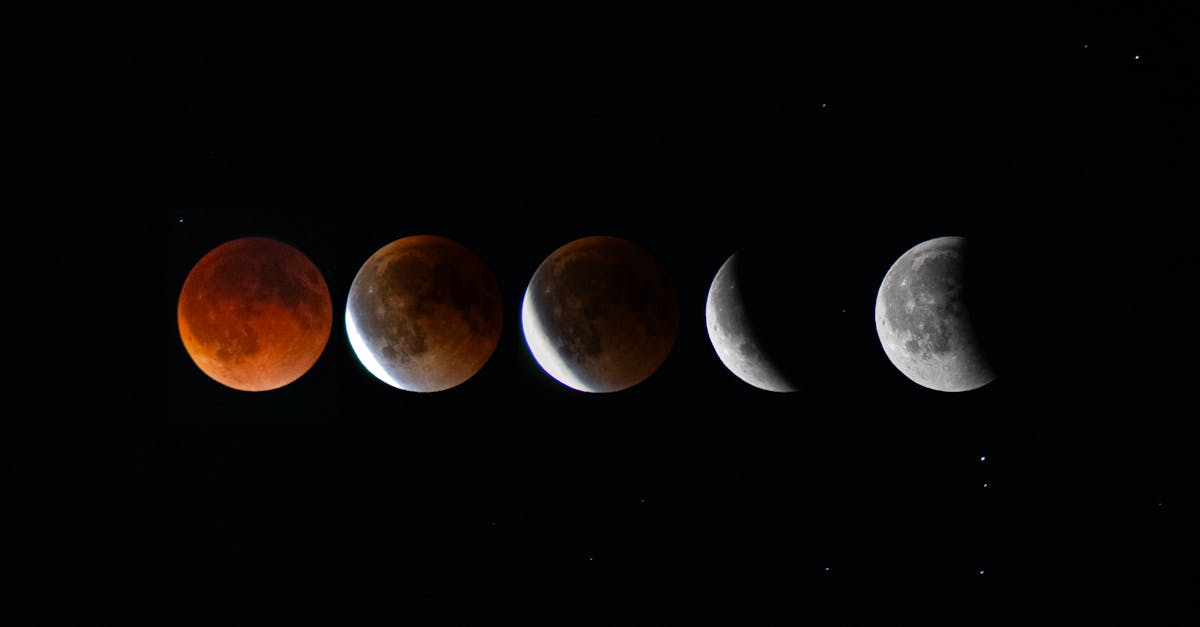
Advertisement
Stars by Classification: The Cosmic Spectrum
Stars come in all sizes and personalities, from red dwarfs to supergiants—each with its unique place in the galaxy of stars. Using spectral classification, astronomers categorize stars based on temperature and luminosity, a technique reminiscent of color-coded candy assortments. Our Sun, a humble G2V star, sits comfortably among its stellar brethren.
Advertisement
Constellations: Myths Written in Stars
For centuries, humans have connected stars into celestial patterns known as constellations, painting the night sky with exquisite artistry. These formations carry mythological baggage, tales of gods, heroes, and creatures, bringing cultural stories down to Earth. Dive into the zodiac wheel or identify your favorite characters mapped among the stars.
Advertisement
The Role of Stars in Cosmic Chemistry
Stars are cosmic alchemists, crafting elements essential to life within their fiery cauldrons. As stars live and die, they spread their chemical bounty across the cosmos, seeding planets and fostering new life. Our very atoms likely owe their existence to long-gone stars, linking humanity to the grand tapestry of the universe.
Advertisement
Stargazing: A Hobby for All Ages
Stargazing transforms the galaxy of stars from a distant abstraction to a personal adventure. With just a telescope—or a good night's vision—you can journey through star clusters, nebulae, and distant galaxies. Amateur astronomers often find unexpected serenity when gazing at stars, discovering both the universe's vastness and their own place within it.
Advertisement
Astrophysics: Understanding Stars Beyond the Eye
Beneath the romantic sheen of the galaxy of stars lies rigorous scientific inquiry—astrophysics. Researchers unravel complex stellar behaviors, from peculiar pulsars to the enigmatic black holes nestled at some stars' hearts. Progress in this field elucidates cosmic events, guiding humanity's understanding of the universe's past and future.
Advertisement
Conclusion: A Universe Illuminated by Stars
In the grand theatre of existence, stars are the brilliant performers captivating audiences across light-years. Their beauty and scientific significance make the galaxy of stars an endless source of fascination and exploration. As science advances, our knowledge of these celestial bodies deepens, yet their enigmatic allure remains a constant beacon, guiding humanity through the ever-expanding cosmos.
Advertisement