Interstellar Stardust Scoops 2023
Breaking News from the Cosmos
The cutting-edge discovery of Interstellar Stardust Scoops 2023 promises to revolutionize our understanding of the universe. With groundbreaking data hauled from the void, astronomers are thrilled. Could this be the year of cosmic enlightenment, or just some celestial dust in our proverbial telescope? Let's dive in and see what's glittering in the galaxy.
Advertisement
What is Interstellar Stardust?
Interstellar stardust, those tiny cosmic specks, are the remnants of ancient stars that once twinkled across our universe. Think of them as ancient messages etched over eons. Scientists have long considered them the universe's breadcrumbs. By collecting and analyzing these grains, we peek into a past that stretches back billions of years. It's like cosmic archeology—but with a bit more, well, space.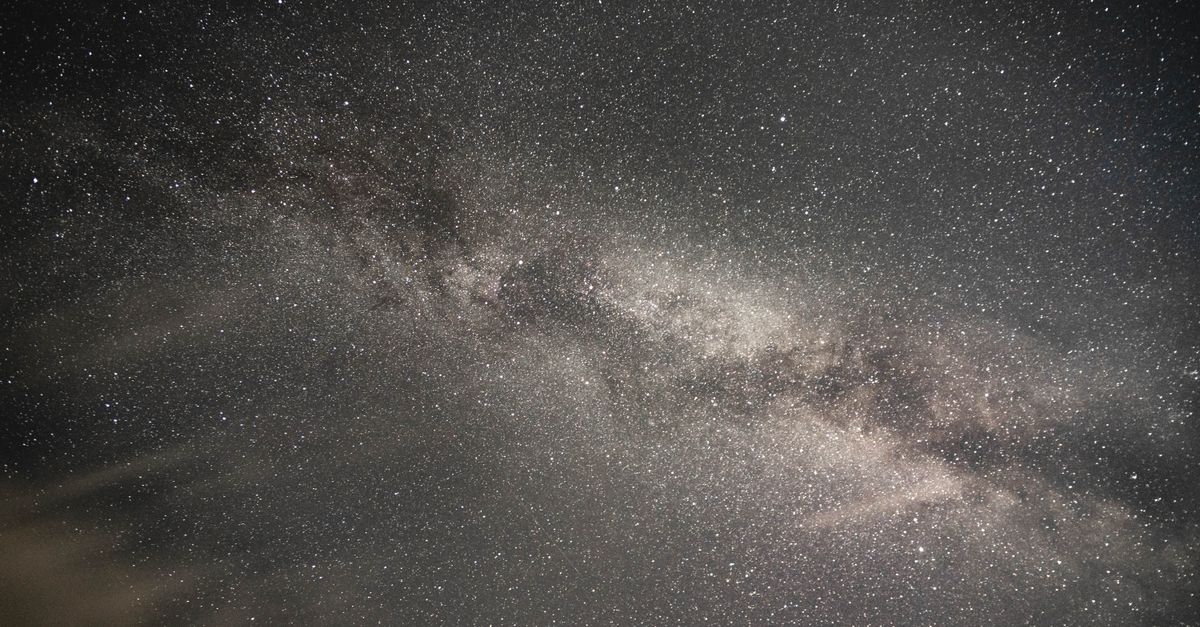
Advertisement
The Techniques of Stardust Scooping
To collect interstellar stardust, scientists employed complex spacecraft designed to weave through the solar wind and cosmic grit without a scratch. These stellar dustbusters gather particles smaller than the width of a human hair. NASA's Stardust mission, for example, used an aerogel collector to scoop these celestial crumbs directly from comets. Now, the 2023 iteration boasts significantly improved tech, magnetically attracting insights straight from the stars.
Advertisement
Why 2023 is a Monumental Year
This year, the Interstellar Stardust Scoops 2023 mission succeeded beyond expectations, uncovering data that could transform our cosmic understanding. The results surprise even seasoned astronomers—a brilliant reminder that the cosmos still holds many secrets. These discoveries might bolster our knowledge of star formation, galaxy evolution, and even the origins of life itself. Truly, 2023 is an astronomical extravaganza! 🍾
Advertisement
What's in the Stardust?
Upon plopping the stardust into our metaphorical cosmic chemistry set, scientists discovered mind-boggling compositions. The grains, gleaned from the vastness of space, reveal traces of organic compounds, enigmatic minerals, and even the elusive carbon that hints at the building blocks of life. "It's not just dust—it's the universe's autobiography," exclaimed one excited astrobiologist.
Advertisement
The Tech that Drives Stardust Exploration
Behind this success are awe-inspiring advancements in spacecraft technology. From magnetically-driven collection devices to AI-driven analysis, this mission is a fusion of scientific prowess and innovation. The enhanced precision and agility allow us to undertake cosmic anthropology like never before, allowing Earth's intrepid explorers to literally reach for the stars.
Advertisement
How Stardust Shapes Our Understanding of the Universe
Beyond the cutting-edge machinery lies the true impact of the Interstellar Stardust Scoops 2023 mission: shaping our scientific and philosophical understanding of the cosmos. When combined with other cosmic data, these insights promise new theories about star lifecycle, the cosmic web, and even black holes. Moreover, they transcend science, igniting our curiosity and wonder about the universe's grandeur.
Advertisement
A Bright Future for Cosmic Discoveries
With the Interstellar Stardust Scoops 2023 securing its place in the annals of astronomical achievements, the future is invariably bright for cosmic enthusiasts. Whether you're stargazing with a casual air or diving into complex cosmology, this mission reminds us of the infinite potential of human curiosity—and stardust adventures yet to come.
Advertisement