Symphony of Stars: Discovering Celestial Orchestras
Introduction
Picture a cosmic ballet where stars pirouette in perfect harmony. The 'Symphony of Stars' orchestrates this celestial wonder, revealing the intricate choreography that governs these luminous dancers in the grand theater of space. This article uncovers the melodies of stars, strumming universal narratives through light and motion.
Advertisement
Celestial Harmony: A Cosmic Overture
Astronomers often refer to the universe as a 'symphony of stars,' where galaxies act as concert halls and stars as musicians. Each celestial body contributes to an astronomical opera, orchestrated by gravity, that shapes the rhythm of the cosmos. This cosmic symphony paints the universe as a dynamic masterpiece continually evolving.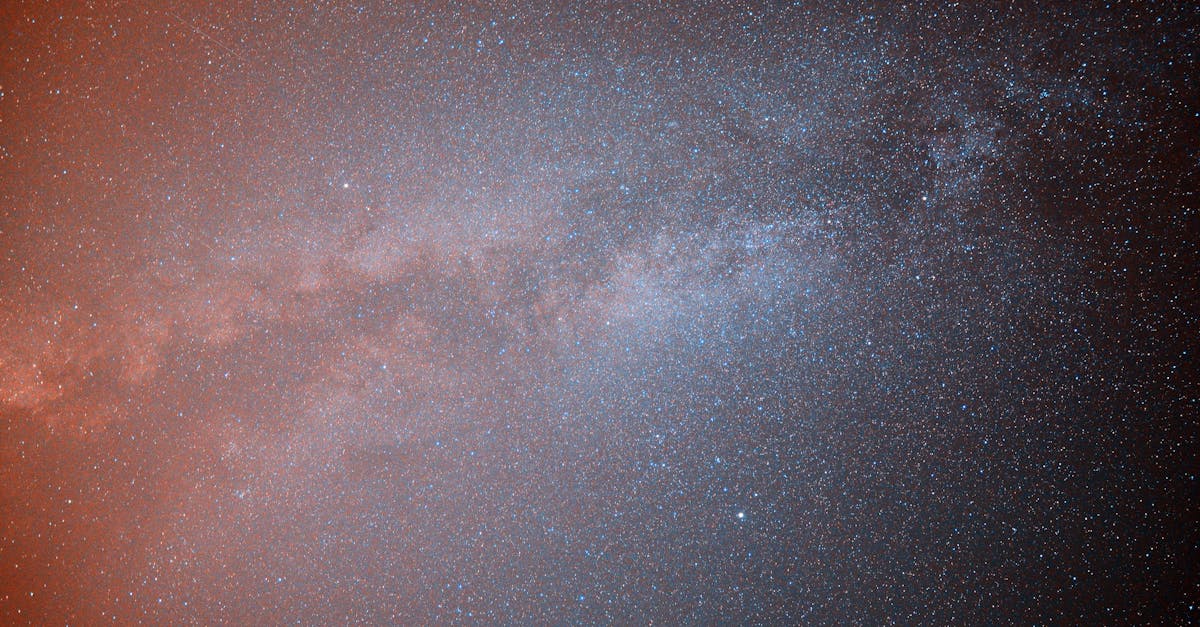
Advertisement
Stellar Formation: The Composing Process
Stars are born in stellar nurseries known as nebulae, where dust and gas gather to form embryonic protostars. As gravity compresses these elements, nuclear fusion ignites, birthing stars that hum with energy, setting the stage for their radiant symphony. These nurseries are like cosmic workshops busy crafting future cosmic musicians.
Advertisement
Binary Stars: Duets in the Stellar Symphony
Many stars don't travel solo. Binary stars feature paired celestial bodies locked in gravitational embrace, like duet partners harmonizing across the universe. These interactions influence each star's life cycle, with stellar winds blowing between them, echoing a unique starry melody into the cosmic ether.
Advertisement
Galaxies: The Grand Orchestral Halls
Galaxies house billions of stars, acting as grand concert halls for the celestial symphony. Within their spiral arms and elliptical forms, these cosmic venues weave complex tapestries. The Milky Way, our home galaxy, is a bustling cosmic metropolis pulsating with life as stars dance to the rhythm of the galaxy's spin.
Advertisement
Supernovae: The Crescendo of Stars
When stars exhaust their nuclear fuel, they explode in spectacular supernovae, the symphony’s dramatic crescendo. These cosmic fireworks disperse elements essential for life, resonating with the universe's interstellar canvas. This explosive finale ensures the continuity of the cosmic symphony by seeding future star generations.
Advertisement
Black Holes: The Silent Conductors
Black holes, the grand maestros of the 'symphony of stars,' silently shape the cosmic landscape with their gravitational baton. These mysterious entities sculpt galaxies, absorbing unsuspecting stars and guiding the universe's tempo with their unseen gravitational influence, maintaining the celestial ensemble’s rhythm.
Advertisement
Conclusion: A Cosmic Encore
The 'Symphony of Stars' beautifully encapsulates the universal harmony created by celestial bodies. Each star, whether solo or part of a duet, contributes to the cosmic concert—a universe perpetually composing, performing, and reinventing its intricate masterpiece. As we gaze into the night sky, we're privy to this vast orchestra, a reminder of our connection to the stars.
Advertisement