Celestial Spectrum: Unraveling Starlight Stories
A Cosmic Symphony in Every Beam
Stars, those luminous spheres in the sky, are more than meet the eye. When we gaze up, we're witnessing a cosmic spectacle, with every beam of starlight offering a rich tapestry of narratives and tales. Each particle traverses astronomical distances, painting the night sky with celestial stories captured in the splendor of the celestial spectrum.
Advertisement
The Science Behind Starlight
The celestial spectrum is nature's sublime light show, vividly representing a star's chemistry, temperature, and age. As starlight flows through a prism, it's refracted into a spectrum of colors, like a fingerprint of each star. These colors, from fiery reds to icy blues, reveal much about the universe's vibrant vastness.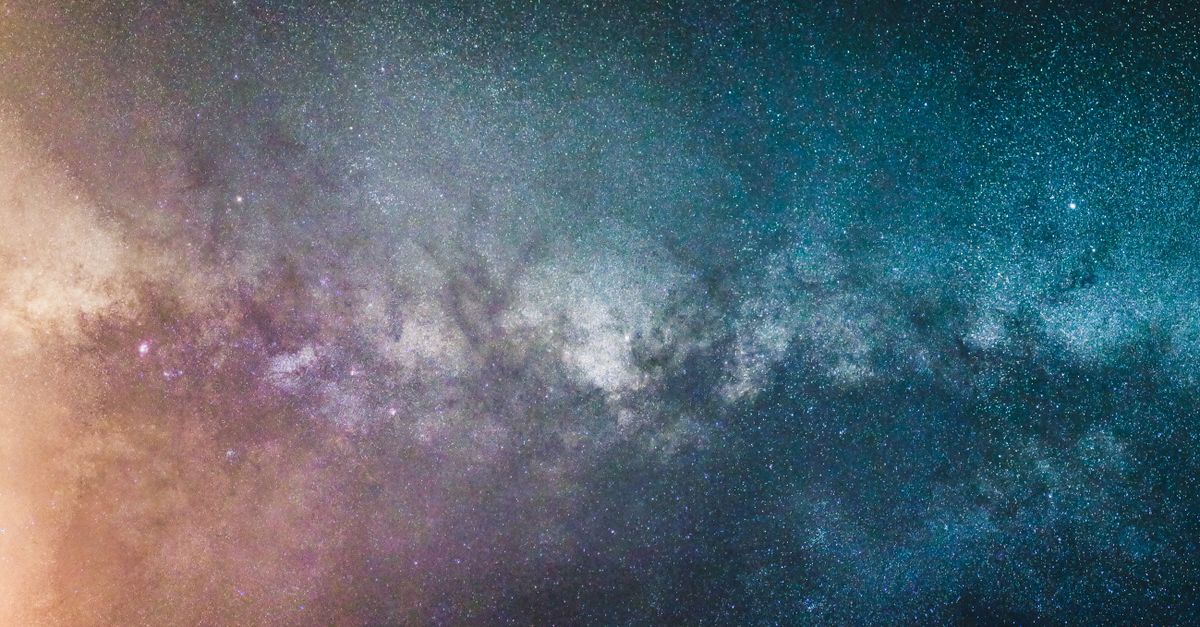
Advertisement
Spectral Fingerprints: Decoding the Stars
When scientists study the celestial spectrum, they're essentially reading the cosmic library. Each star's spectrum consists of unique absorption lines—gaps in the rainbow spectrum. These lines act as the 'barcode' of the universe, revealing the elemental makeup of stars and their sprawling cosmic kinship.
Advertisement
Navigating the Celestial Spectrum
The gravitational dance and ever-changing positions of stars add layers to their spectral tales. Observation through telescopes allows scientists to track these changes, extracting narratives of cosmic expansion, galaxy formation, and the immense forces that swirl throughout the interstellar realms.
Advertisement
Galactic Lore: Tales from the Stars
Ancient civilizations spun starlight stories long before spectrometers existed. They envisioned myths in constellations, assigning gods and fate to the cosmic light show. Today's tales mix folklore and science, unraveling the enigma of star birth, life, and eventual demise across an ever-expanding tapestry of stars.
Advertisement
Astrophysical Friendships
Starlight stories aren't solitary; they're woven into the lives of galaxies. Stars influence their companions, whether by pulling matter into an orbit of awe or flashing supernova to nourish surrounding stellar neighborhoods. Thus, cosmic narratives are not isolated; they're intertwined, echoing the grandeur of the universe.
Advertisement
Blending Art with Science
Art, too, finds its essence in the celestial spectrum. Van Gogh’s starry night and countless murals capture starlight magic. Optical treasure, such as lunar rainbows or auroras, further inspires, echoing the ethereal color palette that wraps the universe in its mesmerizing dance of light and dark.
Advertisement
Conclusion: The Timeless Cosmic Narratives
The celestial spectrum doesn't simply color our universe; it narrates its grand saga. Through spectral lines, star tales unfold—the tale of time, element, vibration, and life. As we continue our cosmic exploration, starlight remains a guiding beacon, reminding us all of our place within this magnificent, interstellar tapestry of existence.
Advertisement